Guides & Comparisons
We test website builders and break down pricing, features, and use cases so you don't have to guess.
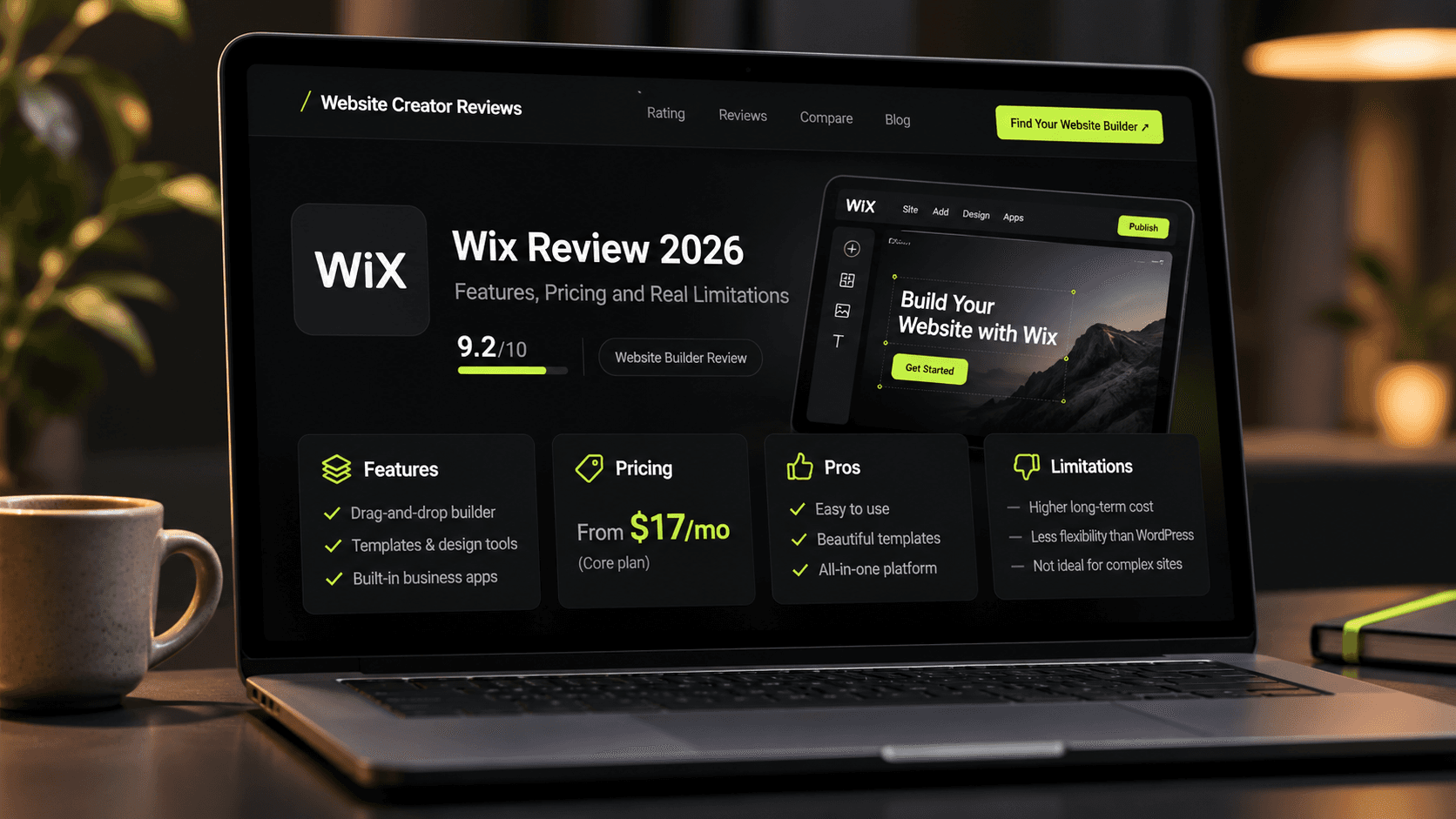
A practical look at Wix features, pricing and limitations to help you decide if it's the right website builder for your needs.
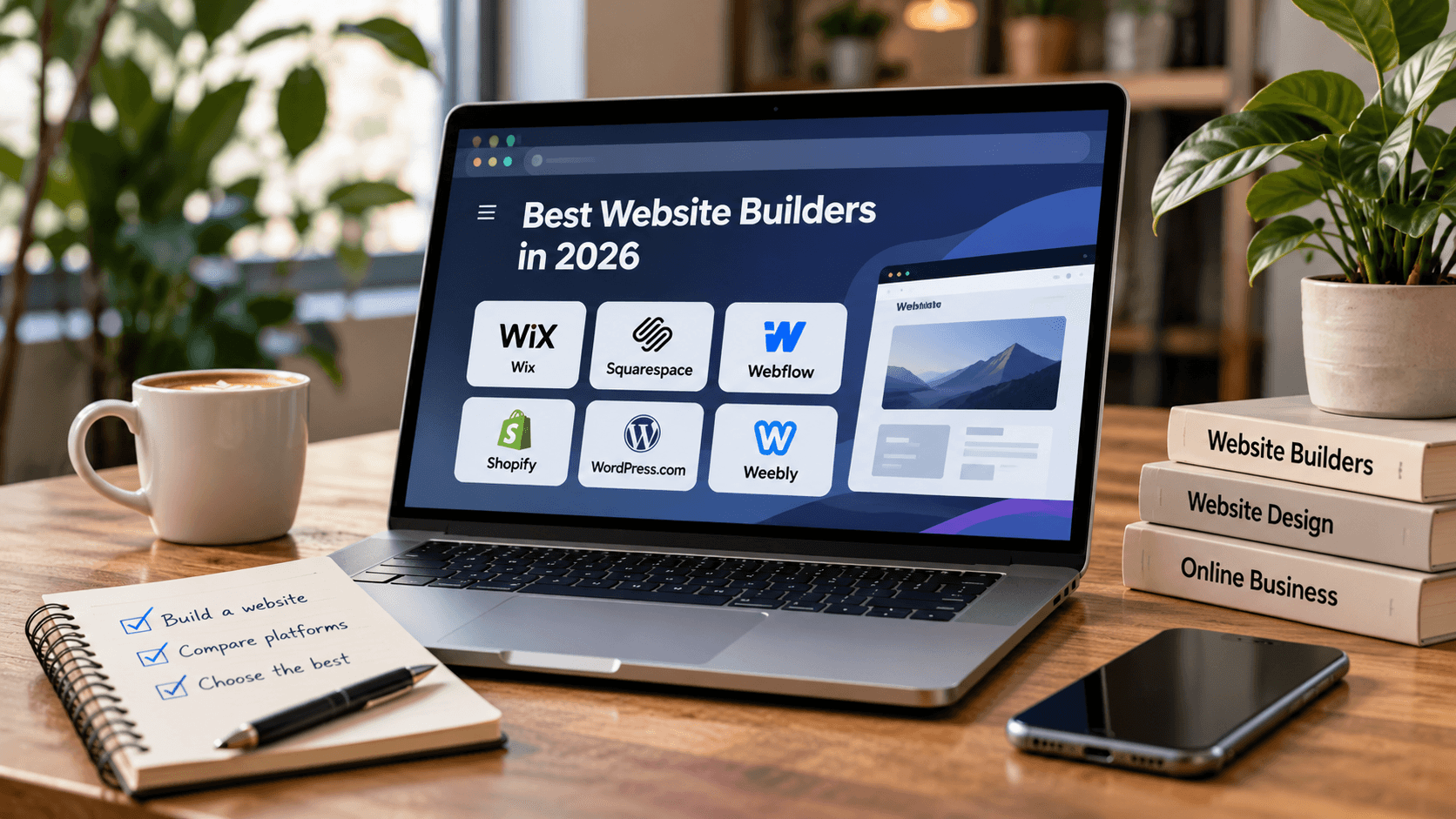
Compare the best website builders in the USA for 2026 and find the right platform for your business, online store or portfolio.

A practical, step-by-step approach to launching your first website with no coding experience required.

The best platforms for launching and scaling an online store, compared on checkout, catalog, and price.

An in-depth look at whether Wix still holds up against newer AI-first website builders.

We compare Webflow and WordPress.com on design control, SEO, and ease of use.

The best website builders for a small business site — bookings, contact forms, and simple stores.

The best genuinely usable free website builders, and what you give up compared to paid plans.
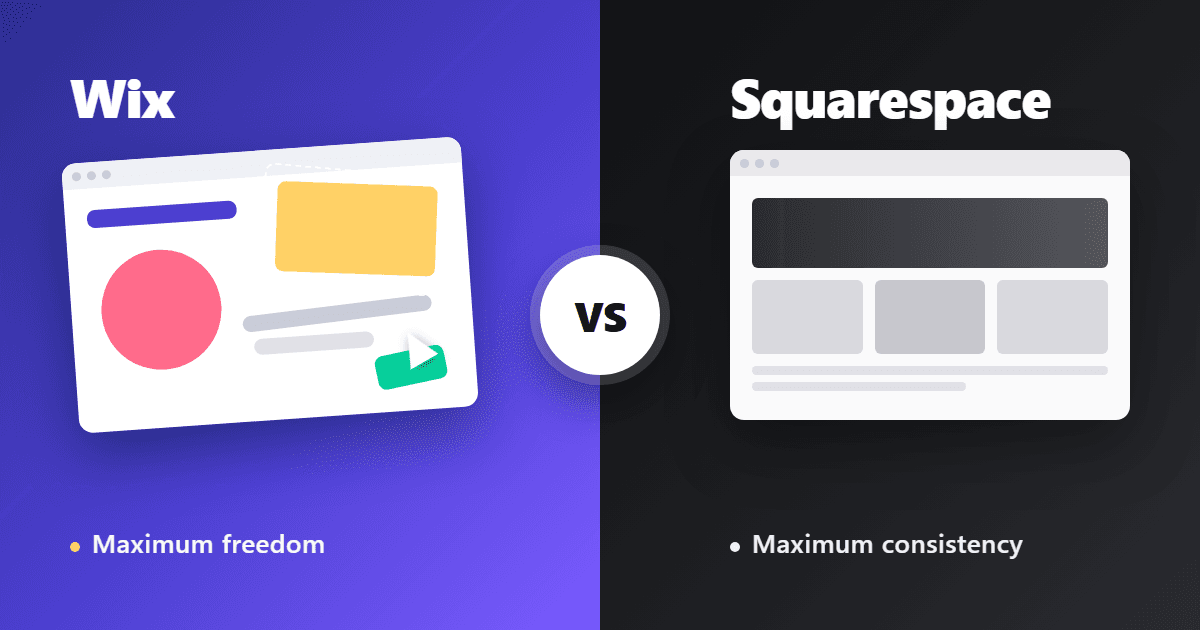
We compare Wix and Squarespace on templates, ease of use, eCommerce, and price.
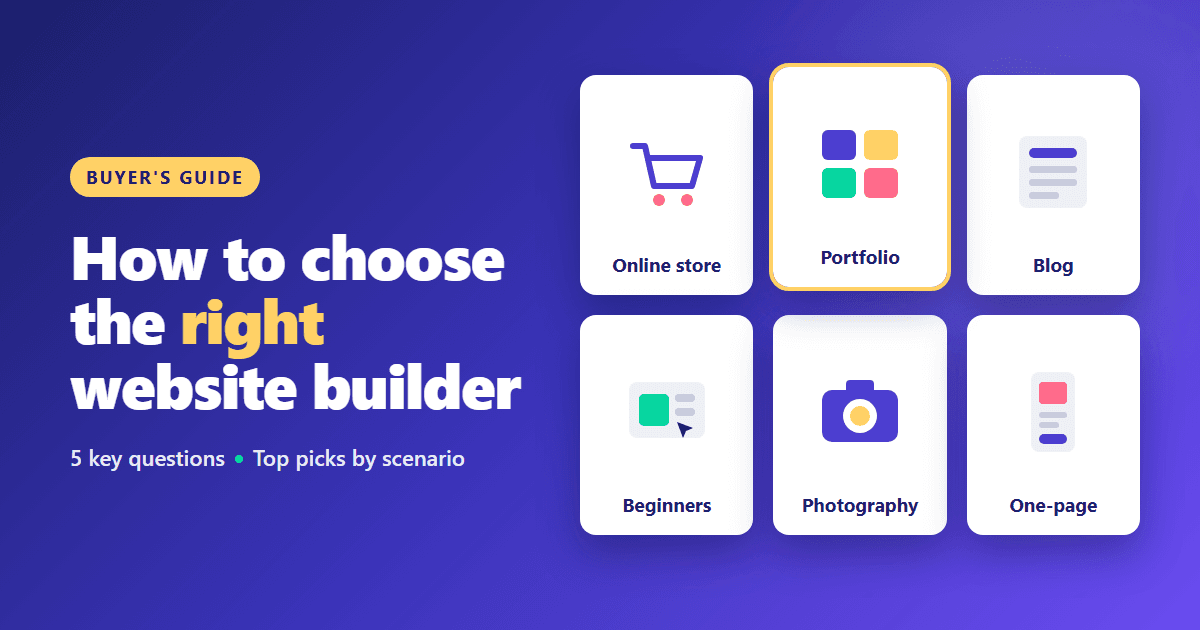
Our picks for the best website builders across eCommerce, portfolio, blog, and small business use cases.
The Space Between Reviews
Reviews and comparisons answer "which builder should I use." Everything that doesn't fit that question — how to actually get a template looking right, whether an upgrade is worth it, what's shifting in the broader space — lives here instead.
Three Formats, Different Jobs
Guides walk through one specific task, like setting up a custom domain or configuring SEO on a particular platform. Reviews here go longer than the structured format on a dedicated review page allows. Explainers tackle a concept — what actually determines page speed, say — without pushing any specific builder, meant for readers who want to understand something rather than sign up for something.
Where a Topic Actually Comes From
Mostly three places: recurring questions through our Contact page, gaps we notice mid-review where a reader would benefit from more background than the word count allows, and genuinely new developments worth explaining without jargon. We skip trend-chasing content with nothing new to say.
The Same Rules Apply Here Too
Everything from our Disclosure page carries over to blog content. A guide comparing a free builder to a paid one isn't secretly steering you anywhere, and an explainer about page speed isn't an excuse to wedge in a link that doesn't belong. When a post does recommend something, that recommendation traces back to the same testing as everywhere else on the site.
How Often We Publish
When there's something worth reading, not on a fixed schedule padded with filler. Expect more activity around major platform redesigns or pricing shifts, with a steady background of evergreen guides revisited as the builders they describe change.
Suggesting a Topic
If there's a question about choosing or using a website builder you haven't found a clear answer to, our Contact page is the place to send it. We can't promise every suggestion becomes a post, but reader questions are consistently our best source of ones people actually search for.
Keeping Older Posts Accurate
A guide written a year ago about a specific platform's editor or pricing can describe something that's since changed. We date every article and revisit the ones most likely to drift, but if something older looks off, the same Contact correction path applies here too.
What Ages Well and What Doesn't
Explainers built around durable concepts — evaluating whether a template is genuinely customizable, judging real SEO capability — outlast guides built entirely around one builder's current interface, since those go stale the moment that platform redesigns its editor.
How the Blog Ties Back to Our Reviews
Almost every post links to at least one full review or shortlist relevant to what it's discussing — this isn't meant to be a separate content stream disconnected from our tested content. If a guide walks through checking a builder's SEO settings, expect a direct link to that builder's own review, not just a passing mention of the concept.
A Note on Platform News and Redesigns
When a builder ships a significant editor overhaul, we try to cover it here with practical detail: what actually changed for people already using the platform, whether existing sites need manual attention, and whether the update affects our published score. If a redesign is substantial enough to shift how a builder performs against our criteria, its full review gets revisited as part of the same coverage rather than treated as a separate, disconnected announcement.
Why We Avoid "Best of 2026" Style Roundup Posts
Generic year-stamped roundup posts tend to just restate the rating table in article form, adding little a reader couldn't get faster from the table itself. When we do write something roundup-shaped, it's built around a specific angle the main rating page can't cover on its own — a particular budget constraint, a specific technical requirement — rather than a repackaged top-ten list.